Indigenizing Place: Richmond, B.C.

This reflection was prompted by Marjean Brown, who is my current instructor for the Aboriginal Education in Canada course this summer term. She prompted us to choose a place we love or have an interest in, and research the Indigenous historic occupations and contemporary presences on that land. Once I saw this assignment, I knew that I had to choose Richmond.
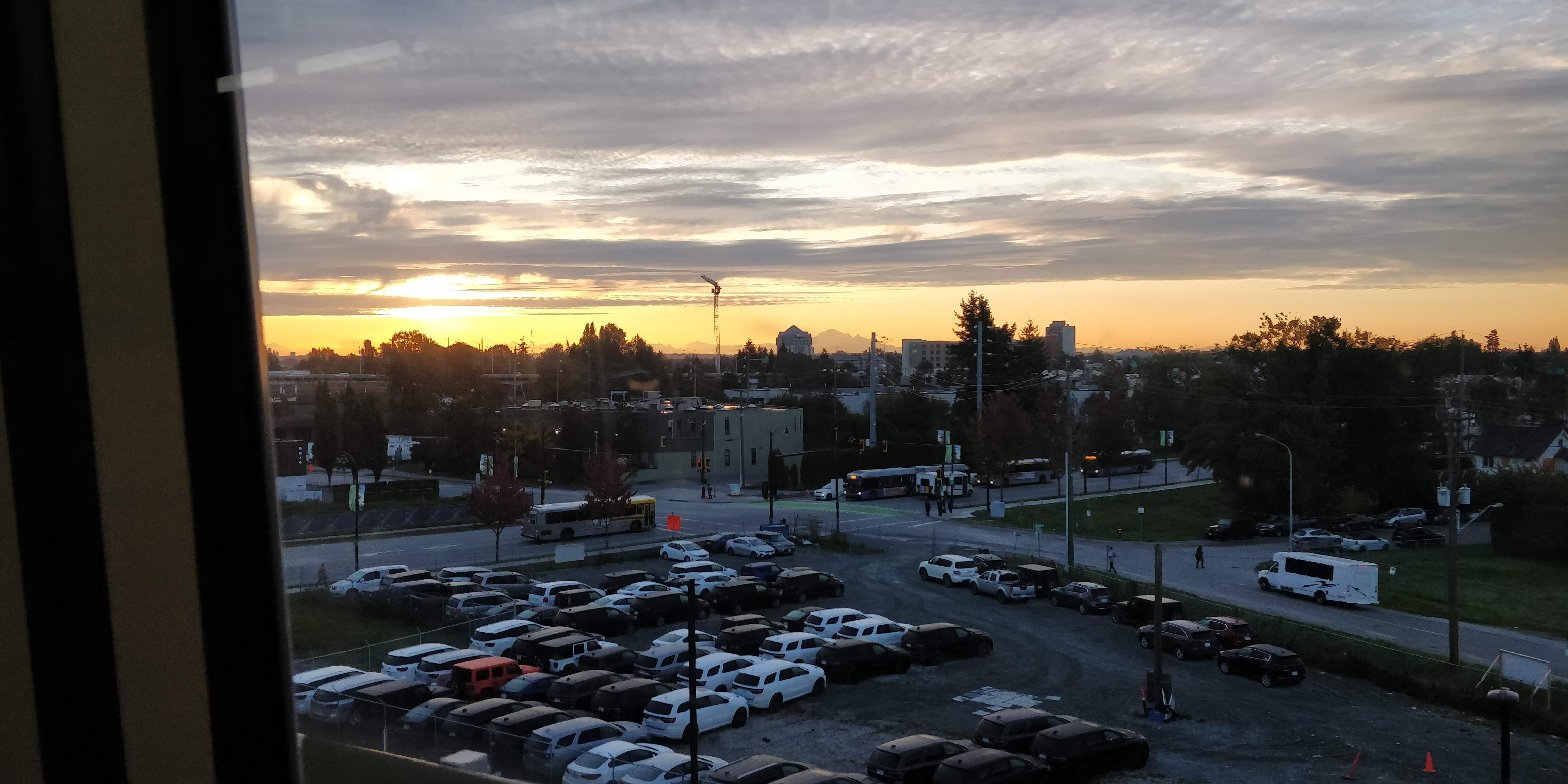
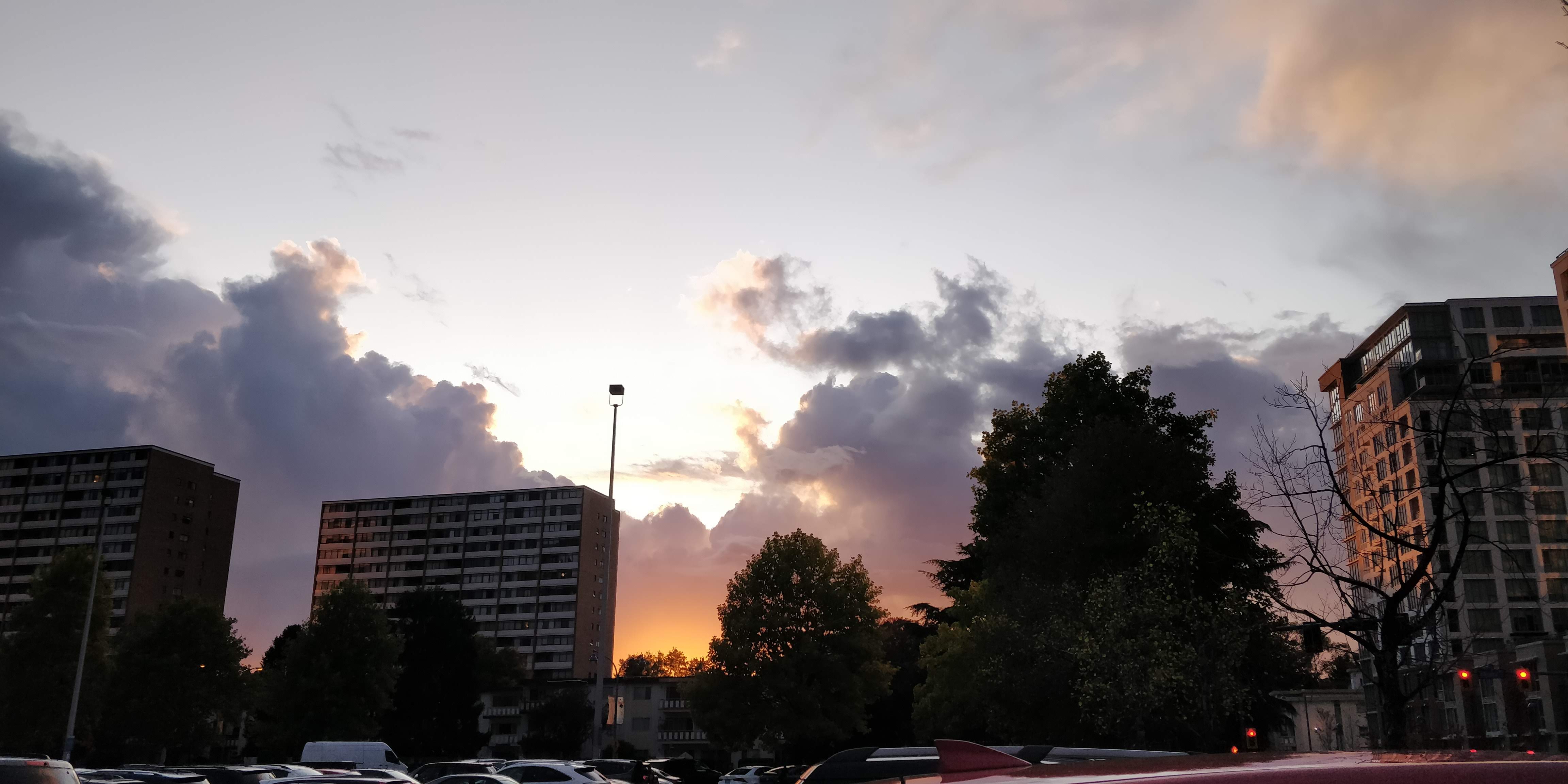
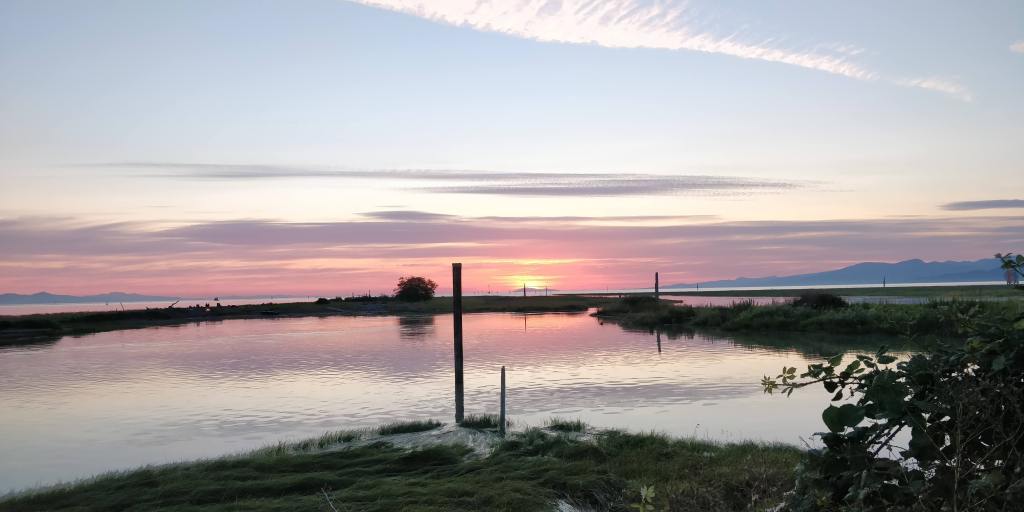
Richmond is a place that I love because I was born and raised there. I currently still live in Richmond, in my childhood home no less. I have explored so much of this place with friends and family, creating precious memories throughout the years. I’ve been here long enough to know my way around, to know the best spots for grabbing a bite, and to have a regular post-meal walking route. I know where wild bunnies can be found, the best spots to watch a sunset, and which McDonalds has better coffee than the other (yes, there’s a difference!). And yet the things I do not know? The history of these lands. Specifically, the Indigenous history of this land upon which I have always lived.

Richmond is on the unceded traditional ancestral lands of the sc̓əwaθenaɁɬ təməxʷ (Tsawwassen), S’ólh Téméxw (Stó:lō), Kwantlen, Stz’uminus, and xʷməθkʷəy̓əm (Musqueam) peoples. Looking for in-depth histories of these peoples on this land was surprisingly difficult. A Richmond News article on The First People of ‘Richmond’ proved very helpful as they interviewed Musqueam coucillor Morgan Guerin on the historic Indigenous occupation of the land. As Richmond formed from the silt deposits of the Fraser River and finally stabilized 3,500 years ago, Musqueam people were one of the first to explore it and the main peoples to make use of it. The population would fluctuate from 2,000 people during winter, to 20,000 when the fish arrived in the coastal waters, camps sprouting across the land during the productive seasons. Coast Salish peoples would collect berries and roots, and hunt deer, muskrat, and beaver. They would also hunt sturgeon, seals, sea lions, and salmon, and hold potlatches during the salmon season. Fishing and navigation sloughs were developed as well.

In 1780, European settlers committed genocide by handing small pox diseased blankets to the Coast Salish peoples on these lands. This act resulted in the death of nearly 75% of the population, leaving many areas underpopulated or abandoned.

Despite this, there is evidence from the 1880s that Musqueam peoples still established villages in Richmond. For example, there is record of an Indigenous village in Garry Point in 1885, where the Musqueam Point family lived although they were eventually removed from the land. Also in Steveston, there is evidence of an ancient Aboriginal burial ground where the Westwind neighbourhood currently is, bodies moved by settlers to establish roadways. With the land purchased by developers and sloughs for fishing and navigation removed, the land was stripped of Musqueam culture. Aboriginal peoples who remained to find work in canneries faced racism and those who left the land were made to live on reserves, their children sent to residential schools.

In 1984, the Musqueam Band Council issued a Musqueam Comprehensive Land Claim which also documented use of Richmond lands for berry and tea picking.

In the present day, services like the Pathways Aboriginal Centre exist in Richmond to connect Aboriginal people living in Richmond with one another. They aim to help those affected by residential schools, both survivors and their children, who carry on with the intergenerational trauma. The centre faces hardships as well, underfunded and dealing with systemic racism.

Currently there is also an active land claim issued by the Cowichan National Alliance (CNA) that is being processed by the B.C. Supreme Court (1, 2). The CNA, consisting of the Cowichan Tribes, Stz’uminus First Nation, Penelakut Tribe, and Hal’alt First Nation, is laying claim to 1,900 acres of traditional land and fishing rights to fish in the South Arm of the Fraser river. From what I have read, the case seems very complicated as “the Vancouver Fraser Port Authority, along with Musqueam Indian Band and Tsawwassen First Nation — which both have rights to fish the south arm of the Fraser River — have…been named as defendants” (1). This trial is expected to last for 300 trial days and the last update I found was from January 24th, 2020.

Learning about the Indigenous histories of this place has definitely changed my outlook. Before this exercise, I let myself remain blinded to how the lands I live on have roots and connections to Indigenous peoples. I find it baffling that I did not know that they were here thousands of years before and how suffused with history these lands are. Places that I frequent, such as Steveston (traditionally known as q̓ʷeyaʔχʷ) and Terra Nova (traditionally known as sp̓ələk̓ʷəqs) were walked upon, thrived upon, my Aboriginal peoples. And those same lands were desecrated and stripped of traditional culture by colonization and development. The search for information was a frustrating ordeal in and of itself as well. Many specific locations I searched, such as Iona Island or Minoru park, detail history beginning from settlers and hardly mention the Indigenous history of those lands, if at all. Educating myself on contemporary Indigenous occupation was also enlightening because I did not even know places like the Pathways Aboriginal Centre existed in Richmond.

I learned that there is so much I do not know, and have not taken the effort to learn. This experience has shown me that I need to actively seek out the histories of these lands I live on in order to respect Indigenous peoples, their histories, and act towards reconciliation. I am so grateful to have begun this education of myself because now I have the beginnings of knowledge to pass onto others. I will forever continue my journey of learning and taking accountability.
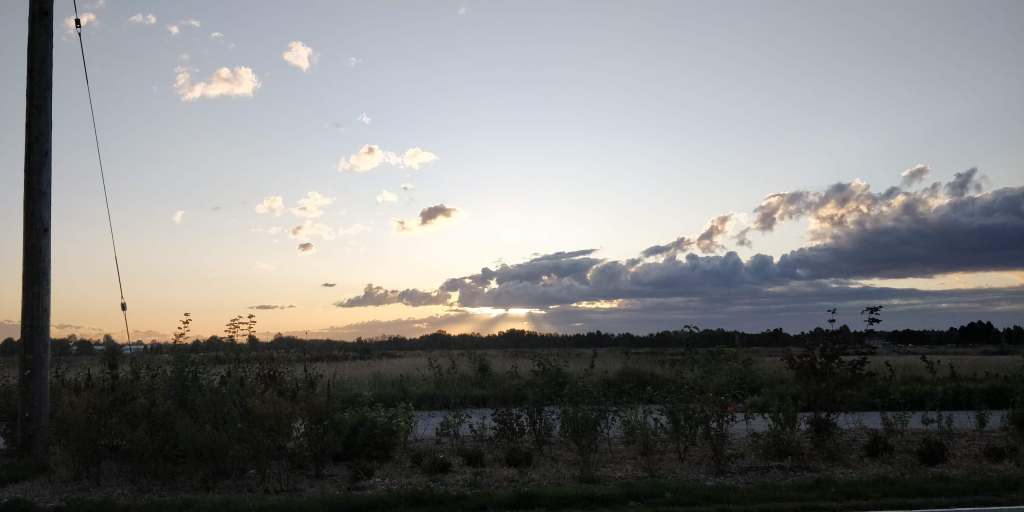
Garden City Lands (Photo by me)

Becoming an Art Educator

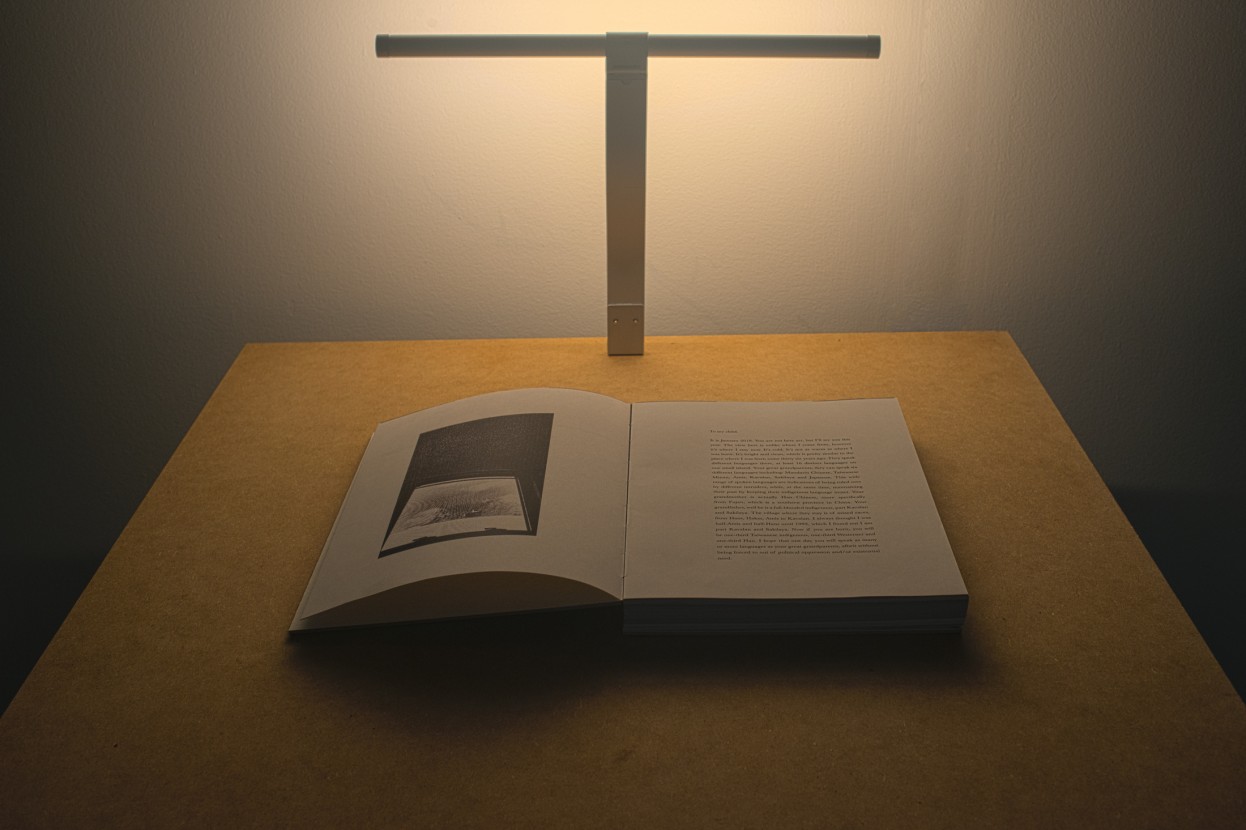
Amongst the many artworks that have struck feelings within me, Wen-Li Chen’s To My Unborn Child (2018) has had a lasting effect. A part of the work consists of a book that Wen-Li printed which includes passages about her family history that she can share with her child, so they know their heritage. My own works revolve around personal struggles with family history and loss of culture. Seeing Wen-Li’s work spoke deeply to me as I related to her efforts to preserve her family history.

Art education for me has become teaching students how to understand and appreciate their subjectivities. In the midst of much standardization and a focus on ‘objectivity’ that risk “alienat[ing] students from their own inner lives” (Palmer, 2002, p. 9),  I think the arts and art education provide students various ways to develop their own subjectivity, understand their connection to others and explore new perspectives from a place of empathy – or in the words of Parker Palmer “engage students’ hearts” (2002, p. 10).

In art education, I think it is important to show students the varied ways ideas can be explored and manifested. Before I took art history courses, I had a narrow idea of what art should be and look like. Looking at pieces of art and never knowing the concepts behind them stressed the aesthetic value over meaning and if I encountered artwork that did not look how I expected, I dismissed it. Looking at different varieties and mediums of work is important. It not only shows students how art can manifest, but also teaches students how to learn from every encounter with a work.

I still remember one of those encounters while visiting the Vancouver Art Gallery and connecting so strongly with the piece Aidagara (2017) by Navarana Igloliorte featuring Ayumi Goto. The videowork shows Goto walking along the Stanley Park rock wall, hands roving across its surface, while her eyes are closed. I felt a strong sense of emotion watching this work, as Goto acknowledged and thanked this rock wall for absorbing her sorrows when she was listening to testimonies of residential school survivors. Goto was embracing her subjectivity and her relation to the rock wall and the survivors of residential schools. My aim is that, in teaching students how to be open to learning from art, they can learn to be open to what else the world will say to them – keeping in “dialogue with the world” (Biesta, 2019).

Alongside learning techniques and different styles of art making, critically building concepts for pieces and doing research are important skills too. I value focusing on concepts, questions, and intentions. Making the work and generating ideas mingle, but I would like students to examine their motivations. Experimentation and exploration are encouraged as well, so that students can get a sense of different mediums and find out what techniques they like and can improve on. To support relational and collaborative learning, I value moments when students share ideas and constructive critiques with one another. For me, group discussions were the most helpful to develop my thinking and see what and how others were thinking as well.

Feature image: Wen-Li Chen. Zhu Pu, 2018; artist book. Courtesy of Richmond Art Gallery. Photo: Michael Love.

References

Biesta, B. (Sept. 1, 2019). Trying to be at home in the world. New parameters for arteducation. https://www.artlink.com.au/articles/4781/trying-to-be-at-home-in-the-world-new-parameters-f/

Palmer, P. (2002). The Heart of a teacher: Identity and integrity in teaching. This text is an adaptation of the first chapter in The Courage to Teach: Exploring the Inner Landscape of a Teacher’s Life. Jossey-Bass Ed. http://www.couragerenewal.org/PDFs/Parker-Palmer_The-Heart-of-a-Teacher.pdf

Eyes, Blood, and Ears

Always being watched. By students and their parents, colleagues and administrators, and your own family.

There is something expectant in their eyes, a creeping fear within you at not being able to meet them.

Those eyes can make you feel insecure and controlled, but…But also seen and acknowledged.

The first day of teaching: students walk into the room and take their seats. Your heart pounds and your throat constricts, words stick as you greet them.

A student tears up their work in front of you. It hurts and your eyes sting, you feel cold in your fingers but warm in your face.

Students laughing at your jokes. You can’t stop smiling and laughing too, to the point your eyes are watering. You’re a bit out of breath.

A student requests a song. You listen to them and play it, letting foreign words fill the room. Their head moves along with the beat and you can’t help it, yours does too.

Walking down the hall, you overhear one of your kids say “I can’t play basketball.” You stop to remind them about not speaking about themselves like that but they see you and remember. “Right! No putdowns, Ms. Chan.”

Silent reading is not so silent. Shoes scuffling, pages turning, whispered conversations. You look around the room and listen, meet the eyes of those who look up. You smile and they smile back.

In her chapter Experiences of fear and pain in teaching – A collaborative arts-based inquiry from the book Teacher Inquiry: Living the Research in Everyday Practice (A. Clarke & G. Erickson, 2003), Susan Walsh details the senses of teaching. She collaborates with other female educators, creating art and poetry to explore their experience of these senses. Walsh compiles the work into three categories – Eyes, Blood, and Ears.

With fear and pain the focus of the chapter, many of the poetry and artwork is moving and relatable. They are real and emotional, encompassing the anxieties, insecurities, and negativity that can be experienced. These experiences bring to attention the bodily and emotional nature of teaching.

It is important to acknowledge these moments and senses because they are inevitable. Recognizing them is the best way to learn from those moments and being attuned to them helps one to stay present. Noticing requires attention, and attention keeps you grounded.

By applying the categories to my own practice, I could recall emotions that made my heart pound or my lips spread into a smile. Teaching is not just an experience of the mind, but also of the body. Our subjectivity enriches our own learning.

The Myths of Teaching

“Everything depends upon the teacher.”

“The teacher is an expert.”

“Teachers are self-made.”

These are myths that Deborah Britzman talks about in her book Practice Makes Practice – A Critical Study of Learning to Teach (2003, p. 223). She looks at how these cultural myths form the idea of a teacher and teaching, either summoning people to the profession or turning them away because they feel they cannot fulfill these myths. Britzman looks at the unique circumstance of the student teacher, who enters the field with these myths in mind and sets the goal of embodying them.

Everything Depends on the Teacher

Britzman describes that there are two rules students and teachers understand in education: “unless the teacher establishes control, there will be no learning; and, if the teacher does not control the students, the students will control the teacher” (p. 224) Not having control or asking others to help control a class, are seen as the marks of an incompetent teacher. This control covers the students’ learning, curriculum, and social control such as classroom management. By being the controller, the teacher has to acknowledge their isolated position in the classroom and the weight of the responsibility upon their shoulders.

Deconstruction this myth, Britzman explains that students are never just learners. They come to the class with their own knowledge and capabilities. Understanding this lessens control because teachers can be open to how the students take in and interact with the material. Teachers can also see how students set rules for themselves and keep themselves and others accountable. I think there is a certain amount of control that teachers need to lay the foundation for a healthy learning environment, but that students should also be given control so that they can learn how to use it responsibly.

The Teacher as Expert

This myth revolves around two fears: “knowing how to teach and knowing everything there is to know about the material” (p. 227). I felt these fears keenly during my practicum experience. Whenever students had a question, I felt that I needed an answer or would be seen as incompetent, not only by them but anyone else assessing me as well. Sure, I can tell students that “I don’t know, I’ll have to get back to you” but even that admission feels like it can only be made sparingly. This fear is in contradiction with being a student teacher, which Britzman acknowledges. Student teachers are in the process of learning and so obviously do not know enough to be considered ‘experts’, and yet to students and assessors, students teachers must seem as expert as possible.

Knowledge can be seen as experience gained through practice but Britzman argues that this knowledge is not concrete. Experience is affected by many factors of a given day as well as our own internalized notions to do with that situation. We cannot just say that we have gained enough experience about x to know y, but we should acknowledge that what we know is conditional and can always change.

I certainly still struggle with breaking down this myth but I think reframing what kind of expert I want to become is a starting point. Instead of being an expert on material, I think becoming an expert on how to continuously build upon practice is better. It helps to relinquish that sense of duty to know everything, spreading the responsibility of knowledge to everyone instead of resting it upon one person in the classroom.

Teachers are Self-Made

This myth addresses how some teachers are natural and born for the profession. This natural teacher “somehow possesses talent, intuition, and common sense” (p. 230) and ignores everything that has gone into the individual’s education. I think this is a dangerous myth because prospective teachers look to themselves and determine they cannot be a teacher because they do not have these qualities. Yes, I believe that one needs to have an interest in teaching in order to enter the profession, but many of the skills required to be a teacher can be learned.

Personally, I have been working for the past 10 years in customer service positions. All of those interactions with people, alongside the other aspects of the work – like time management, professionalism, practical knowledge – have contributed to my understanding of others. Those years generated my interest in others and for teaching. If you had asked me if I thought I could be a teacher before those 10 years, I would not have known if I ‘had what it took’ based on the myths that I believed.

Conclusion

Britzman explains that there are many aspects that go into creating a teacher, from life experiences, to coursework, to the reflections that we make upon what we know. After reading this article, it’s evident to me that teaching and learning is never static. We don’t just grow up, but in all directions, expanding and molding our knowledge with every interaction, reading, and experience.

Tension in Teaching

When I think of the word ‘tension’, I immediately think of stress and doubt. I recall moments in the classroom, like awkward silences, not being able to answer questions, and fumbling through my words. So generally, the connotation of the word is of a negative nature.

In Ted Aoki’s book, Curriculum in a New Key: The Collected Works of Ted T. Aoki (2004) there is a chapter titled “Teaching as Indwelling Between Two Curriculum Worlds” (p. 159). Aoki speaks about the tension between curriculum-as-plan and curriculum-as-lived-experience. The former describes curriculum as dictated by someone else, given to educators to teach to a specific group of students. For example, the BC curriculum provides teachers with the core and curricular competencies for each grade and subject. And the latter describes what happens to curriculum when teachers and students begin to engage with it in the classroom. Once this content is brought to the class, the personalities of the teacher and student begin to alter it – folding the content experience with the nuances of people and their daily lives.

Aoki does not argue that one is better than the other, but that the two live in a state of tension. Those who plan the curriculum cannot recognize each individual teacher who implements it, or the individual students who learn it. Still, it provides guidance for our planning, and it becomes our responsibility to fit the plans to the needs of our students. Throughout the article, Aoki speaks about a ‘Miss O’ and this excerpt describes her understanding of tension:

“Miss O understands that this tensionality in her pedagogical situation is a mode of being a teacher, a mode that could be oppressive and depressive, marked by despair and hopelessness, and at other times, challenging and stimulating, evoking hopefulness for venturing forth.” (p. 162)

This view has helped me to begin reframing how I see tension. I’ve always strived to avoid and prevent tension, or ease it once it occurs. In reality, there is inherent tension in the field that we’re in, as we balance curricular demands with the needs of our students and our own ways of teaching. I think becoming comfortable with tension is a powerful skill and that this understanding of tension is transferable. It does not only apply to the negotiation of curriculum but to the small, awkward, moments of the classroom environment. Being mindful of tense moments and understanding that those moments are teaching you something, can perhaps make them more bearable – or even welcomed.

Myanmar (Burma)

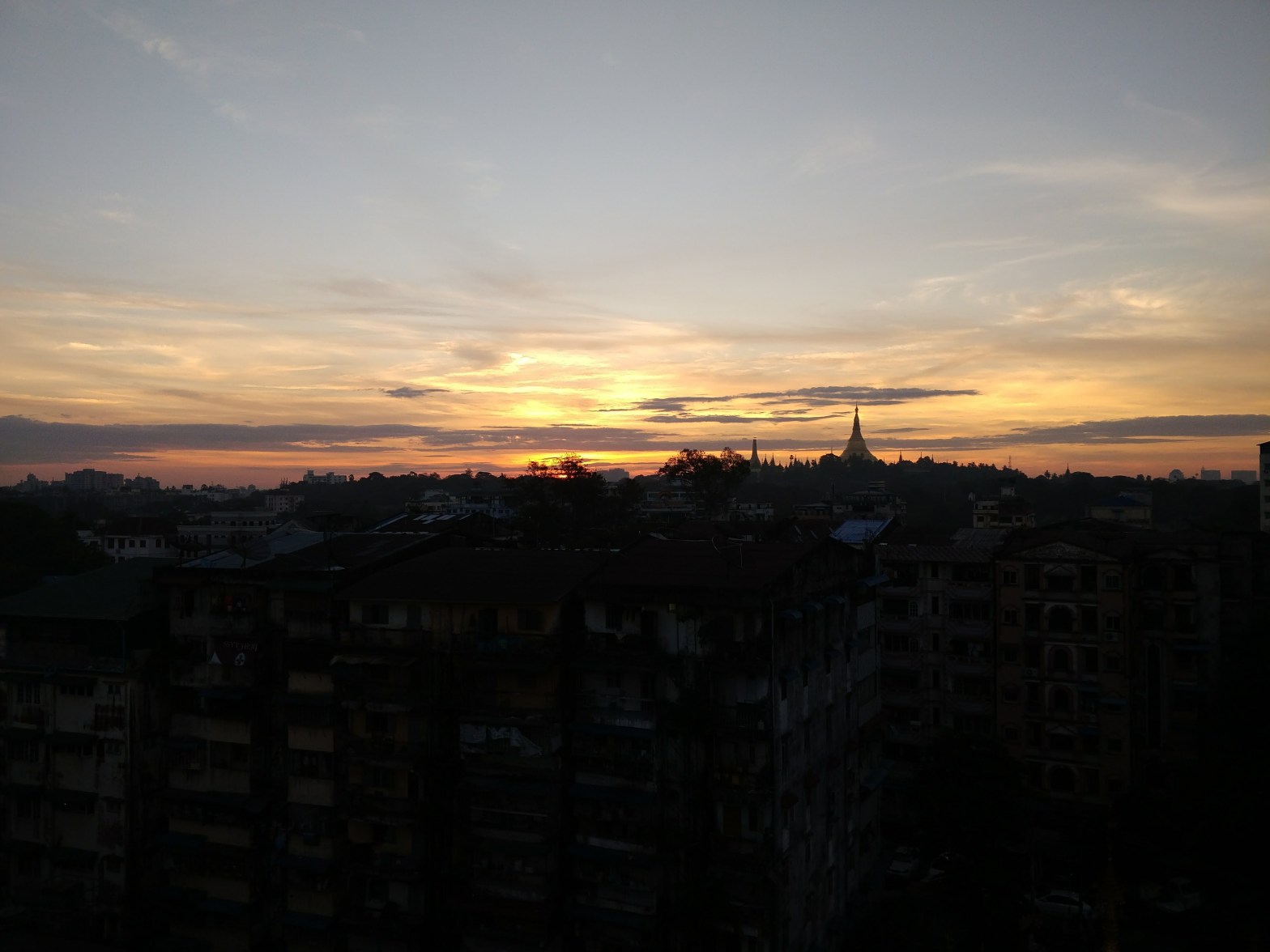
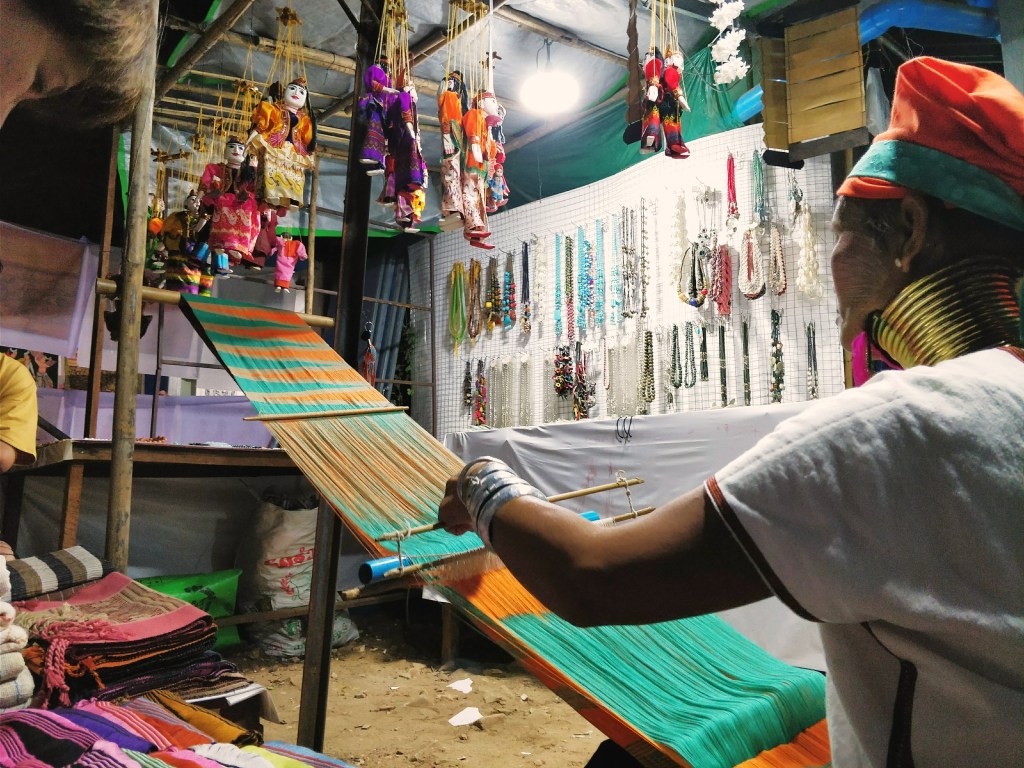
I am a second generation Canadian whose family comes from Myanmar. While my brother was born there, I was born in Canada. Growing up, Burmese was my first language until I entered the school system. Even though English quickly became my main language, my father was very engaged in the Burmese community and so exposed me to a lot of aspects of the culture and traditions. When he passed away, about 10 years ago as of writing this, I lost many of my connections to that community. My main exposure then came from my aunts and uncles who would come over from time to time.

It wasn’t until I was in my third year Visual Arts course at UBC that I realized how much culture I had lost. A speaker came to class one day and suggested that we build our body of artwork around a central theme. As I pondered this theme, it came to me that I should focus on my roots to study and reacquaint myself with them. It just so happened that this time of realization coincided with my first trip to Myanmar in nearly 20 years. My mother, aunts, uncles, and cousin were all going back together.

This trip changed my life.

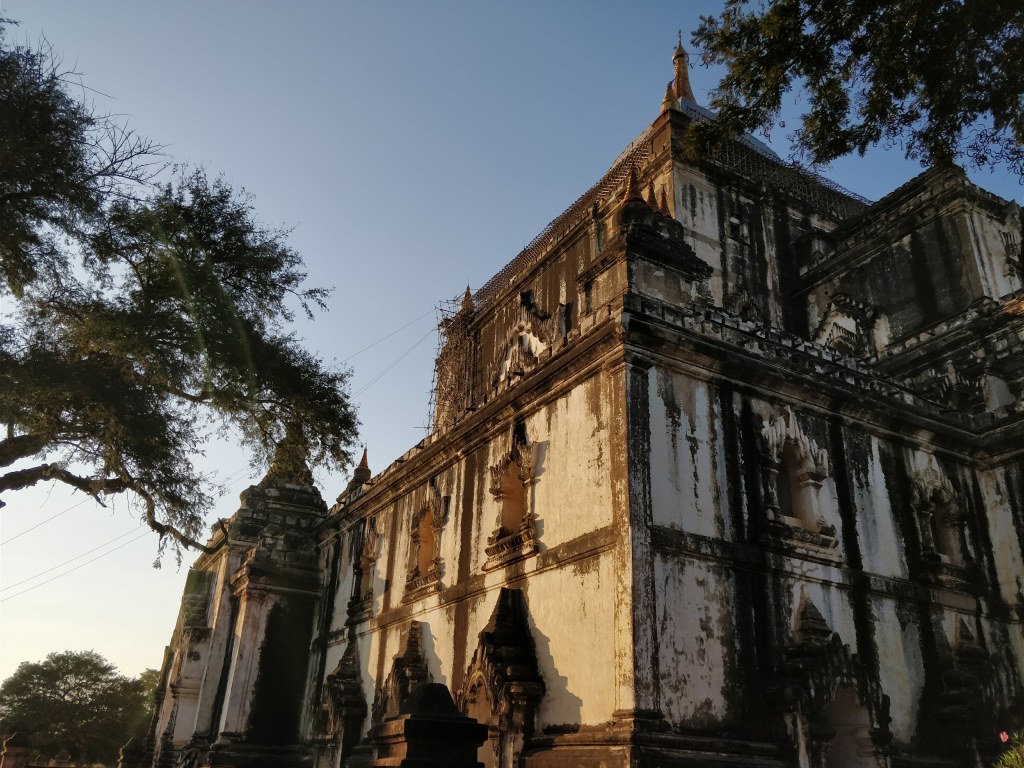
Being in Myanmar was a dizzying experience. It was odd to hear so many people speaking Burmese around me, encouraging me to speak as well. I met family members I had never met before, and learnt about the history of my families – like where my parents got married or where my great grandfather used to live. We went to many temples, exploring and praying at each one.

The entire experience has informed my art practice, from exploring my heritage to political strife and social issues in the country. Myanmar showed me the rich culture that I was missing but could begin to regain with effort. Ever since then, I have been much more conscious of acknowledging my roots and sharing aspects of it with the next generation of my family.

All images in this post were taken by me.

Florence Cing-Gaai Yee

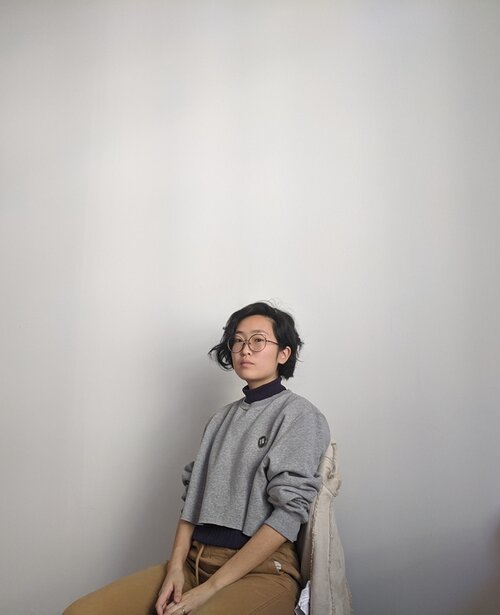
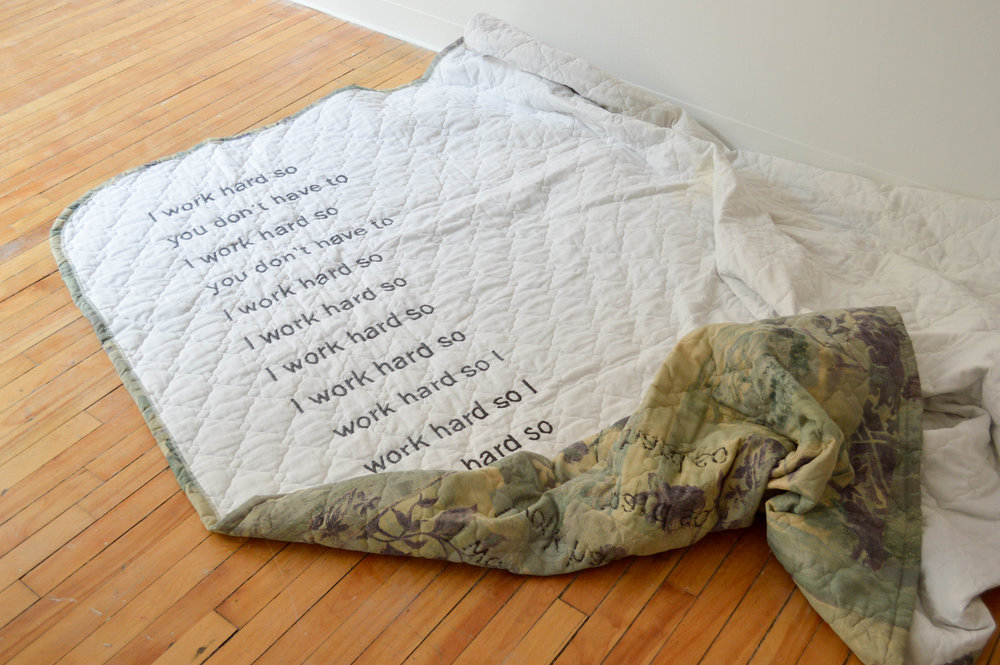
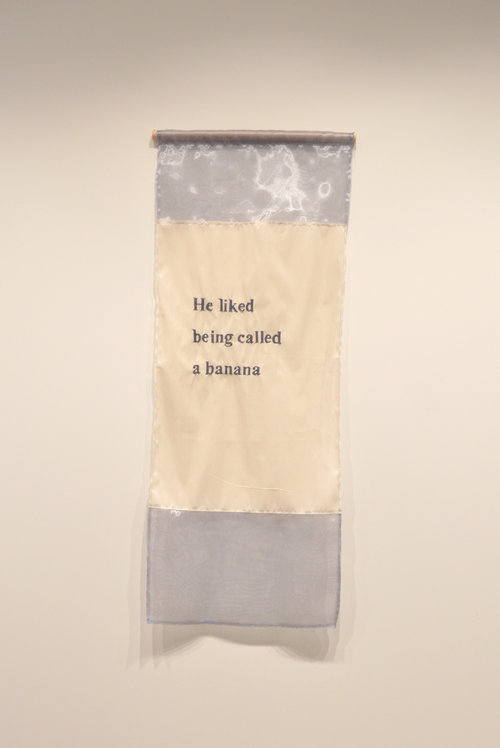
Florence Yee is an artist whose Cantonese-Canadian background has a strong influence upon their work. As a 2.5 generation Canadian, they explore aspects of cultural difference, assimilation, and intergenerational relationships. I find Florence an inspiration because of their personal approach to their art practice. As a second generation Canadian myself, I find their work relatable and intimate, as if what I see in their pieces holds echoes of my own life and experience. There is so much depth to their work as well. Take A Labour of Love pictured above. From the text, to the material choices of thread and a found comforter, to the use of embroidery – not only does the content of the text strike me, but also their own labour of embroidering each letter, which emphasizes the meaning I perceive. Florence is one of the first artists I was introduced to whose work I related to so closely on multiple levels.

For more of their work, please go to their site here.

(Source for feature image)

Starting Point

How can we reframe failure as generative in the art classroom?

Looking at failure in art education is something I have been doing for a few months now. In the Education program at UBC, students develop inquiry questions that they study throughout their coursework and practicum. In the beginning, my inquiry questions was “What is the purpose of finding answers?” and as I, ironically, pursued an answer to this question, my question began to narrow. I began to think about what happens when we fail to find answers, and then about failure in art education as a whole. In the end, the inquiry question that I carried with me into practicum was “How can we reframe failure as generative in the art classroom?”

My main motivations for this question revolved around the standards of art that we are taught to strive towards. When we think of drawing and painting, we may find that we have a certain perception of what a successful piece of artwork looks like – think descriptors like ‘realistic’ and ‘perfect’. Many students enter the classroom with these same perceptions, setting standards for themselves according to what they think is ‘good’ art.

Photo by Tayla Walsh on Pexels.com

Alongside students, most teachers also enter the classroom with a fear of failure. Being knowledge holders and having 30 pairs of expectant eyes upon you for all the answers to their questions is a very daunting task! In my practicum experience, it became very real to me that the information I would provide to students would be believed to be true. Furthermore, teachers also need to abide by the rules of their education system, meet the demands of the curriculum, and manage the class appropriately. Overall, many areas with room for failure.

Objectively, the idea that there is a lot of room for failure for both teachers and students means that there are also many opportunities for success. Instead of such a dichotomous relationship, I wanted to approach the situation from a perspective of taking failure and turning it into a generative experience. What if we saw failure differently? What if we were able to reframe moments of failure into moments of growth?

Success wouldn’t be overcoming failure to meet the standards, but instead purely growing from failure.

How do we assess that? How do we lessen the pressures to strive for ‘success’? How do we begin to deconstruct ingrained perspectives of successful and ‘good’ artwork?

These are all questions I am carrying forward with me and have yet to answer. My practicum experience has given me valuable insight on how arduous of a process this will be, but I see room for it and I see how beneficial it can be as well.

Please join me on this journey. I intend to fail (and grow) a lot throughout it!

Artist Feature: Gu Xiong

Before spring break, I introduced to you all an artist named Gu Xiong (watch the video for a refresher – it’s a really awesome video by CBC Arts). We went over his book The Yellow Pear and discussed the journey of Gu’s life and his art practice. At the time, we discussed works that he’d made earlier on in his life but I never went over with you what he has been working on in recent years. Turns out, it fits right in with your current assignment!

“Agriculture Minister Marie-Claude Bibeau says Canadians could see higher prices and less variety of food on store shelves this year.” –The Canadian Press

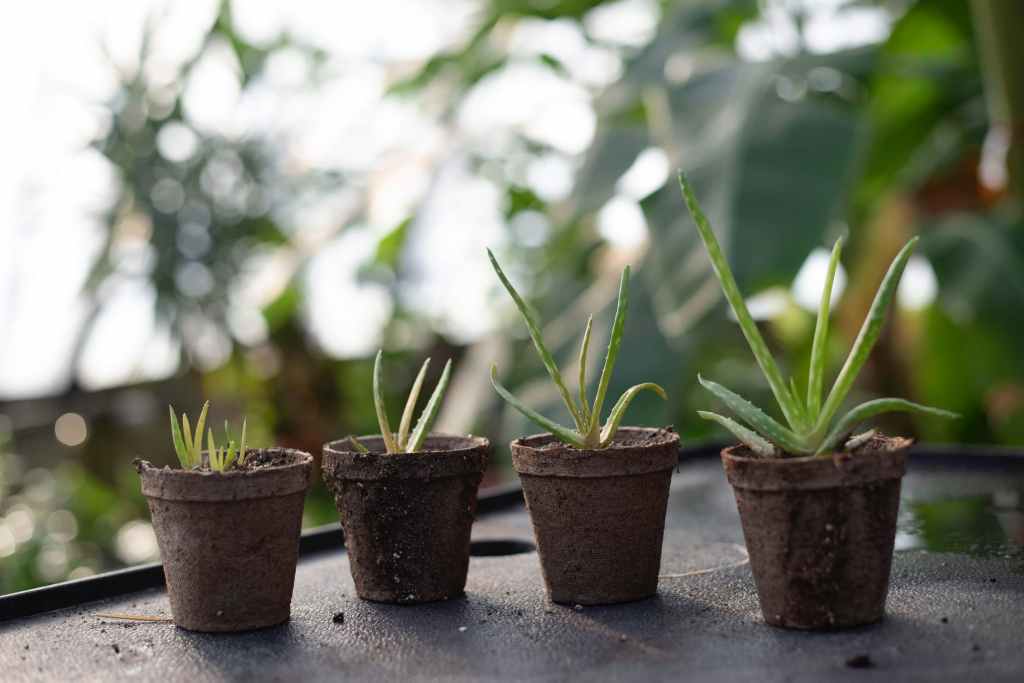
Ms. Clark gave you this assignment to grow your own food plants because of the effect COVID-19 has had on food production. She explained that since many agricultural workers (those who work on farms) come from Central America, and travel has been impacted by COVID-19, food production and distribution have been somewhat interrupted. At this time when many people are cooking from home, there is a high demand for produce, so farms have to do their best to meet that demand.

Migrant workers, those who move to another country to work temporarily, contribute a lot to Canadian agriculture. Many take jobs to work on Canadian farms for the growing seasons and this year is no different…Except that it is.

Benjamin Shingler of CBC news interviewed Guy Pouliot, who owns a strawberry field in Quebec. In the interview Guy said, “I know there are citizens here who are worried foreign workers will come here with the virus, but I think the foreign workers are even more worried they will get the virus here.”

Migrant workers are an under-appreciated, hardly recognized, essential group of individuals in Canada. Many leave their families and homes behind to work long hours on Canadian farms so that food can be distrubuted across the country and beyond.

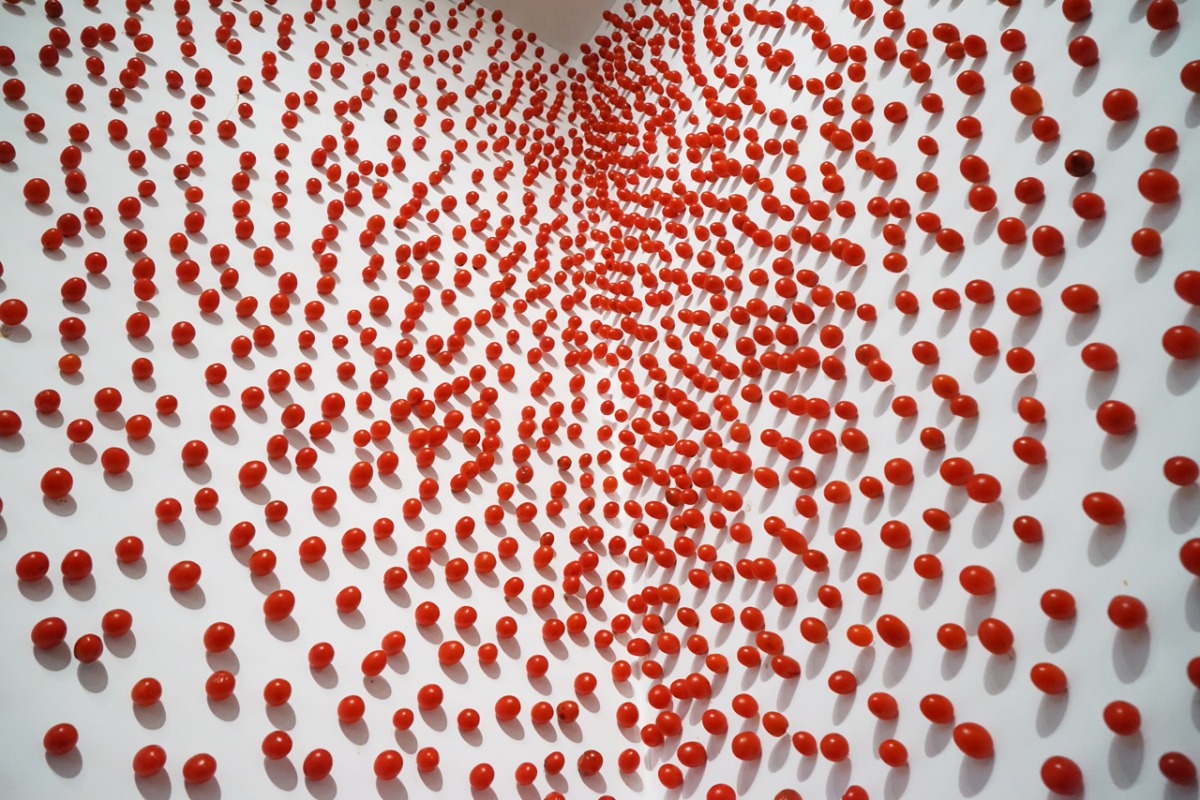
Gu Xiong has worked on a few projects focusing on the stories and journeys of migrant workers. For his piece titled Invisible in the Light V (2014), Gu interviewed migrant workers across Canada. He came to realize that packages for the food produced on the farm would say “Produced in Canada” but made no mention to who helped produce and package those products. That simple statement of where the food was made failed to acknowledge the many different peoples from different cultures who were essential to the making of that product. One such product was tomatoes.

For the art piece, Gu pinned many tomatoes to the white walls of a gallery (pictured here), representing the many individuals and countries that are hardly acknowledged in the process of bringing food to Canadian homes. Imagine the smell of tomato in the room, the drops of tomato juice on the gallery floor. This piece filled the entire room with the presence of tomatoes! By doing so, Gu brought awareness to the migrant workers and their struggles.

When you go to the grocery store, or your parents or guardians bring home groceries, think about who grew them and where they came from. Take a moment to appreciate the many people involved in bringing those groceries to your table, and think about all their different stories and journeys.

This time of COVID-19 has really shown how much people rely on each other and how much we should appreciate everyone around us!

From Seed to Spoon

Photo by Julissa Helmuth on Pexels.com

Growing a plant can be a daunting task. Before I chose sage, I was at the garden centre, looking at the huge selection and unsure of where to start. Choosing a plant took me two days of research until I decided on sage. I watched many videos and read articles on growing instructions, taking notes as I went. I thought to myself many times – “Wow, I wish there was a platform that had all of this information on it.

Guess what? There is!

From Seed to Spoon is an application you can download on your phone and is a great database for plant information. You can look up any plant and find out how to care for it, what pests bother it, and even what recipes to use it in (if it is an edible plant). Below is a video from their Youtube channel on what the app looks like, what features it has, and how to use it. For those of you who have not finished your first zine yet, consider looking into the app for the information you’ll need.

As a disclaimer, this post is definitely not sponsored! The app is great resource that you can use if you are interested and want to.

Design a site like this with WordPress.com
Get started