This reflection was prompted by Marjean Brown, who is my current instructor for the Aboriginal Education in Canada course this summer term. She prompted us to choose a place we love or have an interest in, and research the Indigenous historic occupations and contemporary presences on that land. Once I saw this assignment, I knew that I had to choose Richmond.
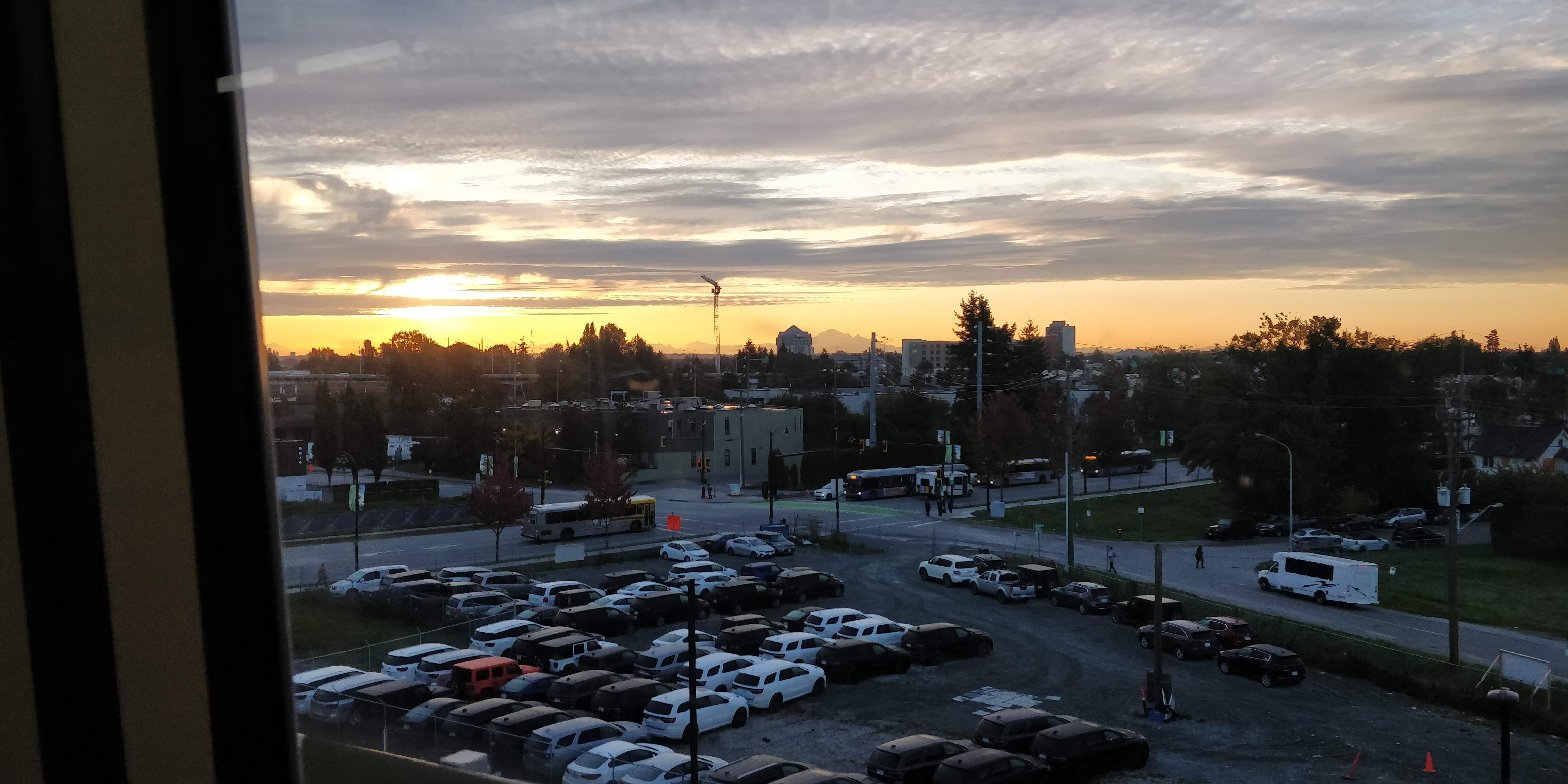
View from Bridgeport Station 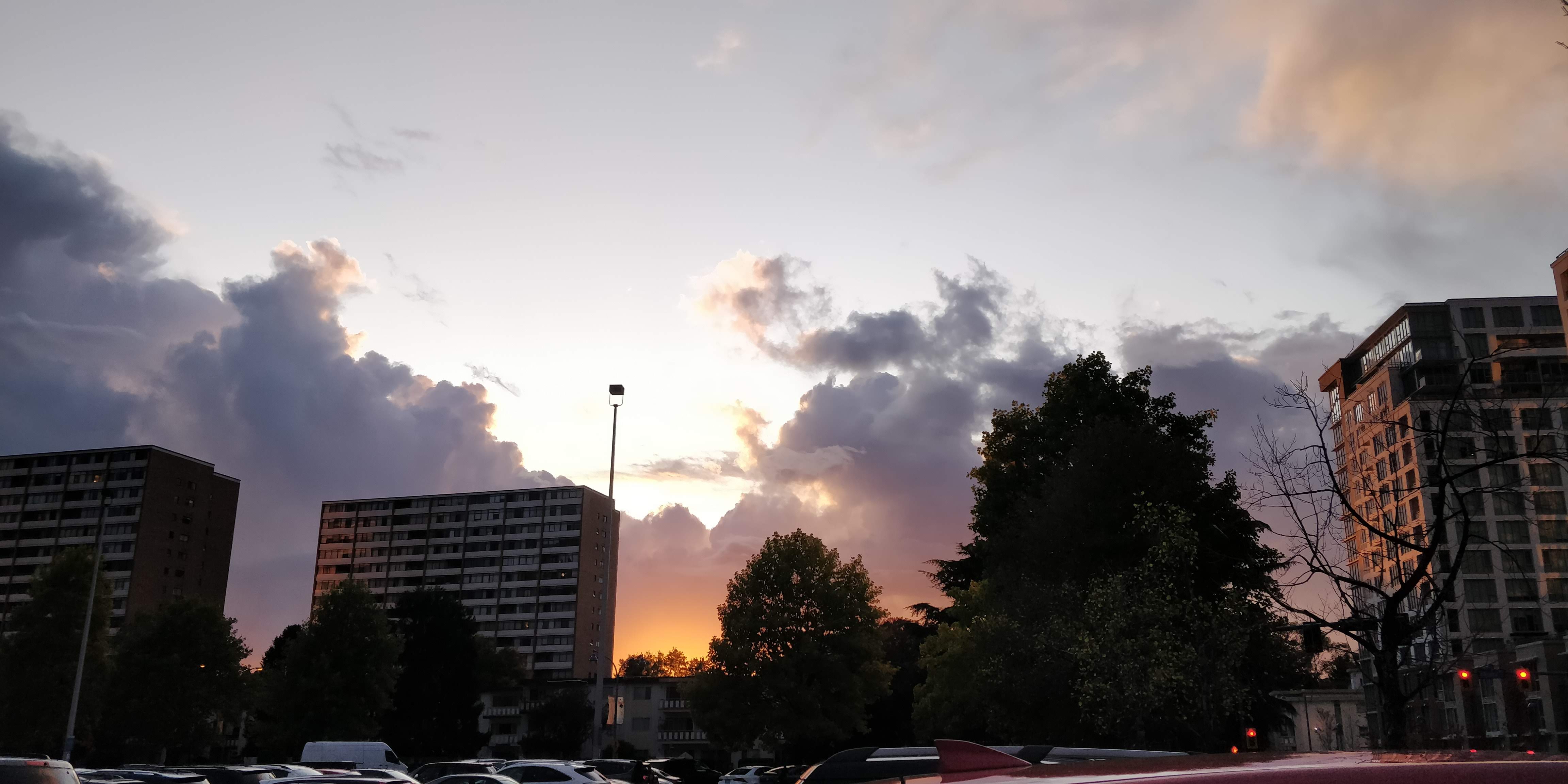
View of Minoru Park Towers 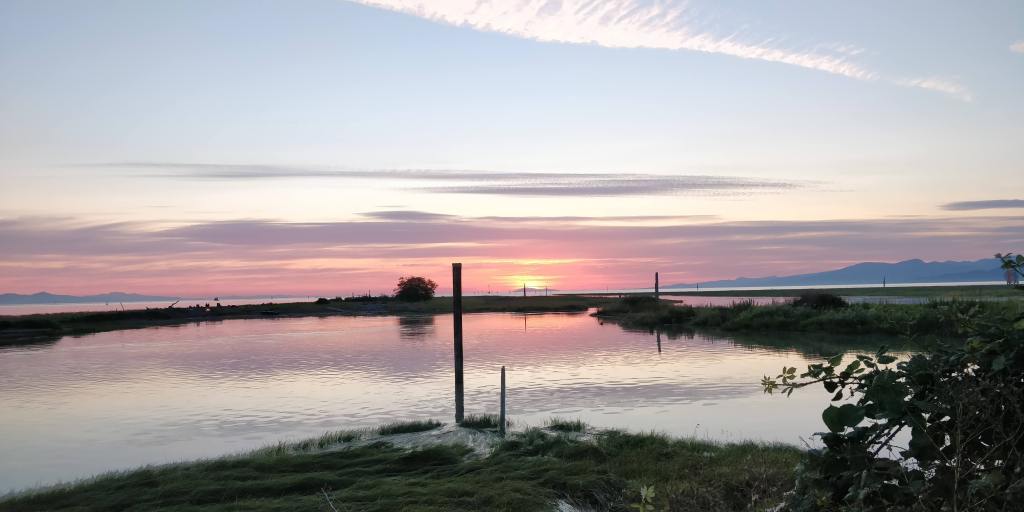
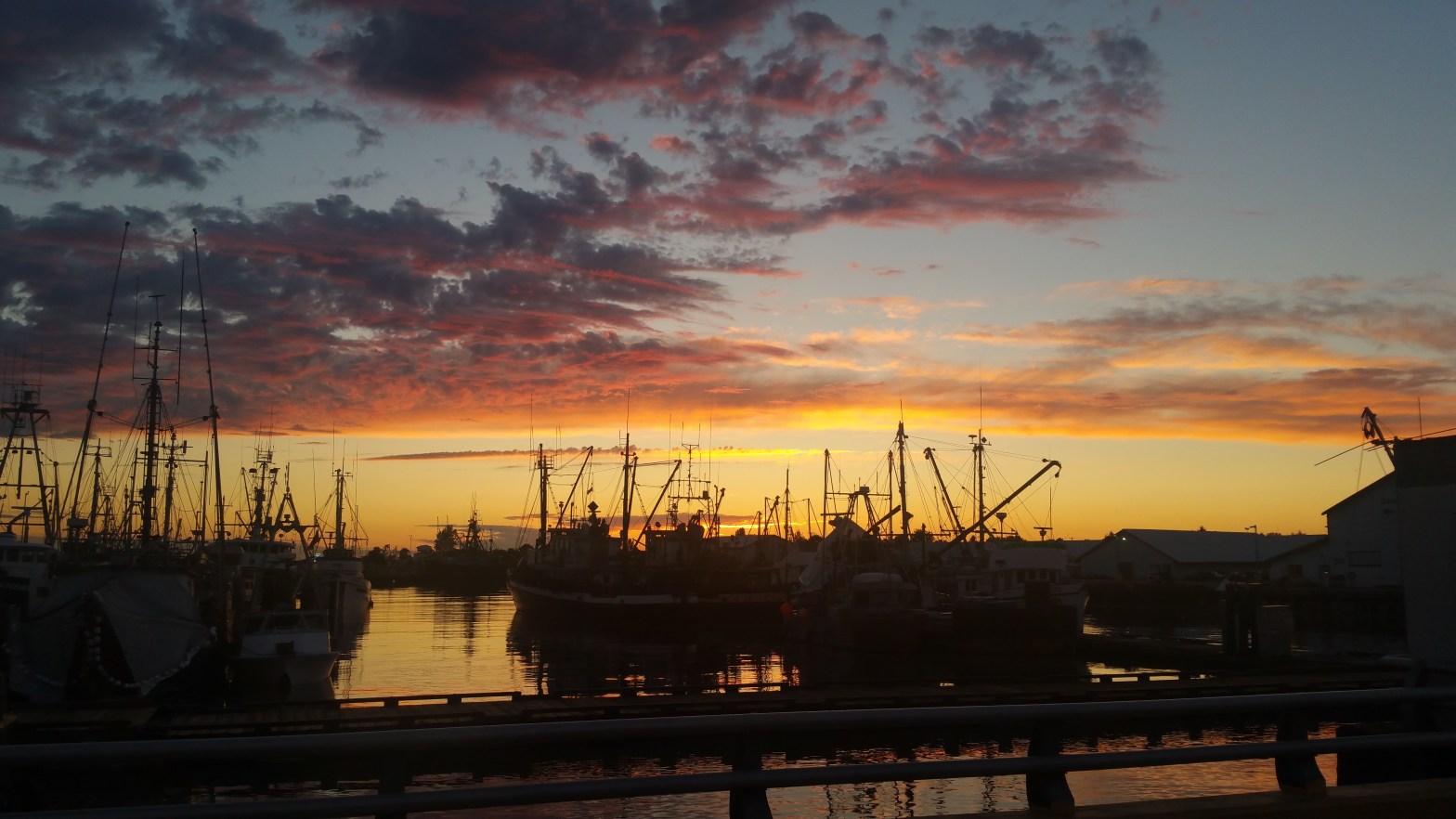
View from Garry Point Park 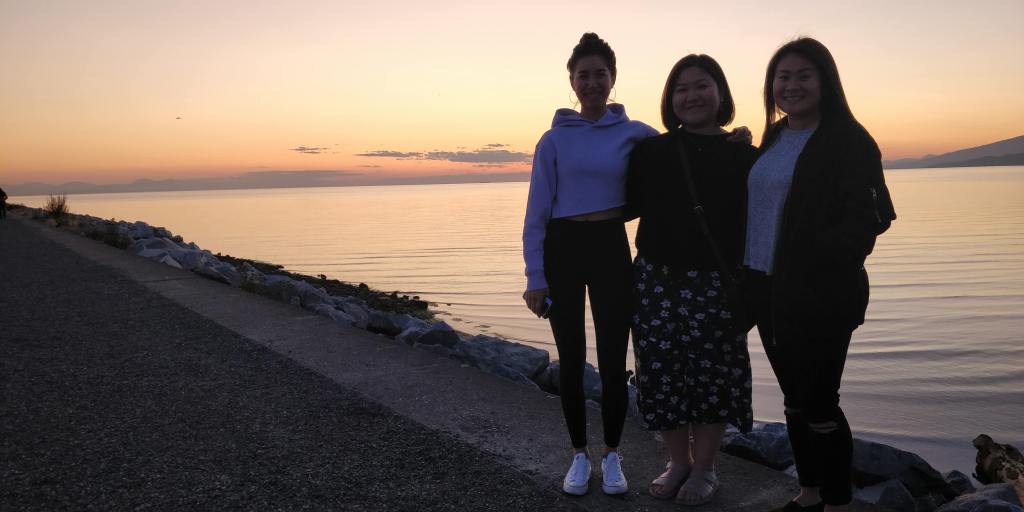
My friends and I at the Iona Jetty
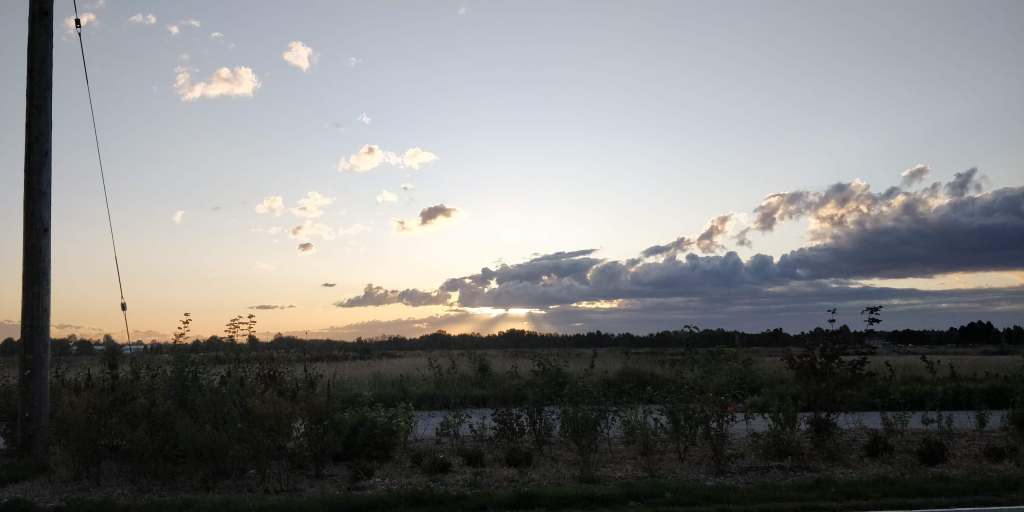
Richmond is a place that I love because I was born and raised there. I currently still live in Richmond, in my childhood home no less. I have explored so much of this place with friends and family, creating precious memories throughout the years. I’ve been here long enough to know my way around, to know the best spots for grabbing a bite, and to have a regular post-meal walking route. I know where wild bunnies can be found, the best spots to watch a sunset, and which McDonalds has better coffee than the other (yes, there’s a difference!). And yet the things I do not know? The history of these lands. Specifically, the Indigenous history of this land upon which I have always lived.
Richmond is on the unceded traditional ancestral lands of the sc̓əwaθenaɁɬ təməxʷ (Tsawwassen), S’ólh Téméxw (Stó:lō), Kwantlen, Stz’uminus, and xʷməθkʷəy̓əm (Musqueam) peoples. Looking for in-depth histories of these peoples on this land was surprisingly difficult. A Richmond News article on The First People of ‘Richmond’ proved very helpful as they interviewed Musqueam coucillor Morgan Guerin on the historic Indigenous occupation of the land. As Richmond formed from the silt deposits of the Fraser River and finally stabilized 3,500 years ago, Musqueam people were one of the first to explore it and the main peoples to make use of it. The population would fluctuate from 2,000 people during winter, to 20,000 when the fish arrived in the coastal waters, camps sprouting across the land during the productive seasons. Coast Salish peoples would collect berries and roots, and hunt deer, muskrat, and beaver. They would also hunt sturgeon, seals, sea lions, and salmon, and hold potlatches during the salmon season. Fishing and navigation sloughs were developed as well.
In 1780, European settlers committed genocide by handing small pox diseased blankets to the Coast Salish peoples on these lands. This act resulted in the death of nearly 75% of the population, leaving many areas underpopulated or abandoned.
Despite this, there is evidence from the 1880s that Musqueam peoples still established villages in Richmond. For example, there is record of an Indigenous village in Garry Point in 1885, where the Musqueam Point family lived although they were eventually removed from the land. Also in Steveston, there is evidence of an ancient Aboriginal burial ground where the Westwind neighbourhood currently is, bodies moved by settlers to establish roadways. With the land purchased by developers and sloughs for fishing and navigation removed, the land was stripped of Musqueam culture. Aboriginal peoples who remained to find work in canneries faced racism and those who left the land were made to live on reserves, their children sent to residential schools.
In 1984, the Musqueam Band Council issued a Musqueam Comprehensive Land Claim which also documented use of Richmond lands for berry and tea picking.
In the present day, services like the Pathways Aboriginal Centre exist in Richmond to connect Aboriginal people living in Richmond with one another. They aim to help those affected by residential schools, both survivors and their children, who carry on with the intergenerational trauma. The centre faces hardships as well, underfunded and dealing with systemic racism.
Currently there is also an active land claim issued by the Cowichan National Alliance (CNA) that is being processed by the B.C. Supreme Court (1, 2). The CNA, consisting of the Cowichan Tribes, Stz’uminus First Nation, Penelakut Tribe, and Hal’alt First Nation, is laying claim to 1,900 acres of traditional land and fishing rights to fish in the South Arm of the Fraser river. From what I have read, the case seems very complicated as “the Vancouver Fraser Port Authority, along with Musqueam Indian Band and Tsawwassen First Nation — which both have rights to fish the south arm of the Fraser River — have…been named as defendants” (1). This trial is expected to last for 300 trial days and the last update I found was from January 24th, 2020.
Learning about the Indigenous histories of this place has definitely changed my outlook. Before this exercise, I let myself remain blinded to how the lands I live on have roots and connections to Indigenous peoples. I find it baffling that I did not know that they were here thousands of years before and how suffused with history these lands are. Places that I frequent, such as Steveston (traditionally known as q̓ʷeyaʔχʷ) and Terra Nova (traditionally known as sp̓ələk̓ʷəqs) were walked upon, thrived upon, my Aboriginal peoples. And those same lands were desecrated and stripped of traditional culture by colonization and development. The search for information was a frustrating ordeal in and of itself as well. Many specific locations I searched, such as Iona Island or Minoru park, detail history beginning from settlers and hardly mention the Indigenous history of those lands, if at all. Educating myself on contemporary Indigenous occupation was also enlightening because I did not even know places like the Pathways Aboriginal Centre existed in Richmond.
I learned that there is so much I do not know, and have not taken the effort to learn. This experience has shown me that I need to actively seek out the histories of these lands I live on in order to respect Indigenous peoples, their histories, and act towards reconciliation. I am so grateful to have begun this education of myself because now I have the beginnings of knowledge to pass onto others. I will forever continue my journey of learning and taking accountability.