
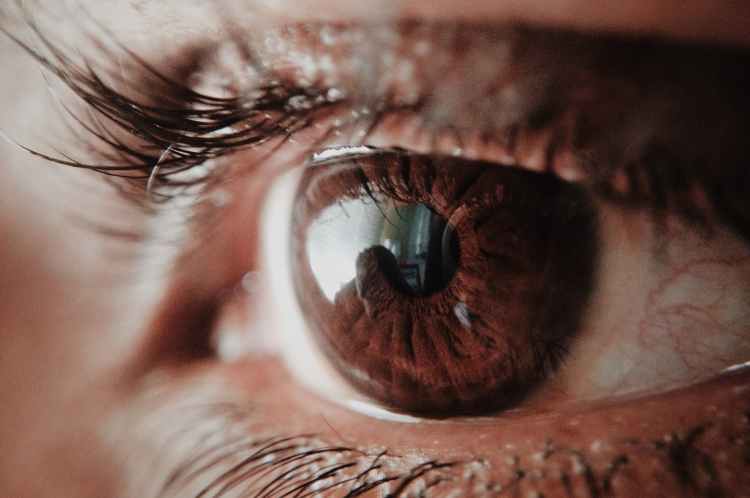
Always being watched. By students and their parents, colleagues and administrators, and your own family.
There is something expectant in their eyes, a creeping fear within you at not being able to meet them.
Those eyes can make you feel insecure and controlled, but…But also seen and acknowledged.

The first day of teaching: students walk into the room and take their seats. Your heart pounds and your throat constricts, words stick as you greet them.
A student tears up their work in front of you. It hurts and your eyes sting, you feel cold in your fingers but warm in your face.
Students laughing at your jokes. You can’t stop smiling and laughing too, to the point your eyes are watering. You’re a bit out of breath.

A student requests a song. You listen to them and play it, letting foreign words fill the room. Their head moves along with the beat and you can’t help it, yours does too.
Walking down the hall, you overhear one of your kids say “I can’t play basketball.” You stop to remind them about not speaking about themselves like that but they see you and remember. “Right! No putdowns, Ms. Chan.”
Silent reading is not so silent. Shoes scuffling, pages turning, whispered conversations. You look around the room and listen, meet the eyes of those who look up. You smile and they smile back.
In her chapter Experiences of fear and pain in teaching – A collaborative arts-based inquiry from the book Teacher Inquiry: Living the Research in Everyday Practice (A. Clarke & G. Erickson, 2003), Susan Walsh details the senses of teaching. She collaborates with other female educators, creating art and poetry to explore their experience of these senses. Walsh compiles the work into three categories – Eyes, Blood, and Ears.
With fear and pain the focus of the chapter, many of the poetry and artwork is moving and relatable. They are real and emotional, encompassing the anxieties, insecurities, and negativity that can be experienced. These experiences bring to attention the bodily and emotional nature of teaching.
It is important to acknowledge these moments and senses because they are inevitable. Recognizing them is the best way to learn from those moments and being attuned to them helps one to stay present. Noticing requires attention, and attention keeps you grounded.
By applying the categories to my own practice, I could recall emotions that made my heart pound or my lips spread into a smile. Teaching is not just an experience of the mind, but also of the body. Our subjectivity enriches our own learning.

